
B2B Marketplace for Travel Agencies: Expanding Business Opportunities with Travacco
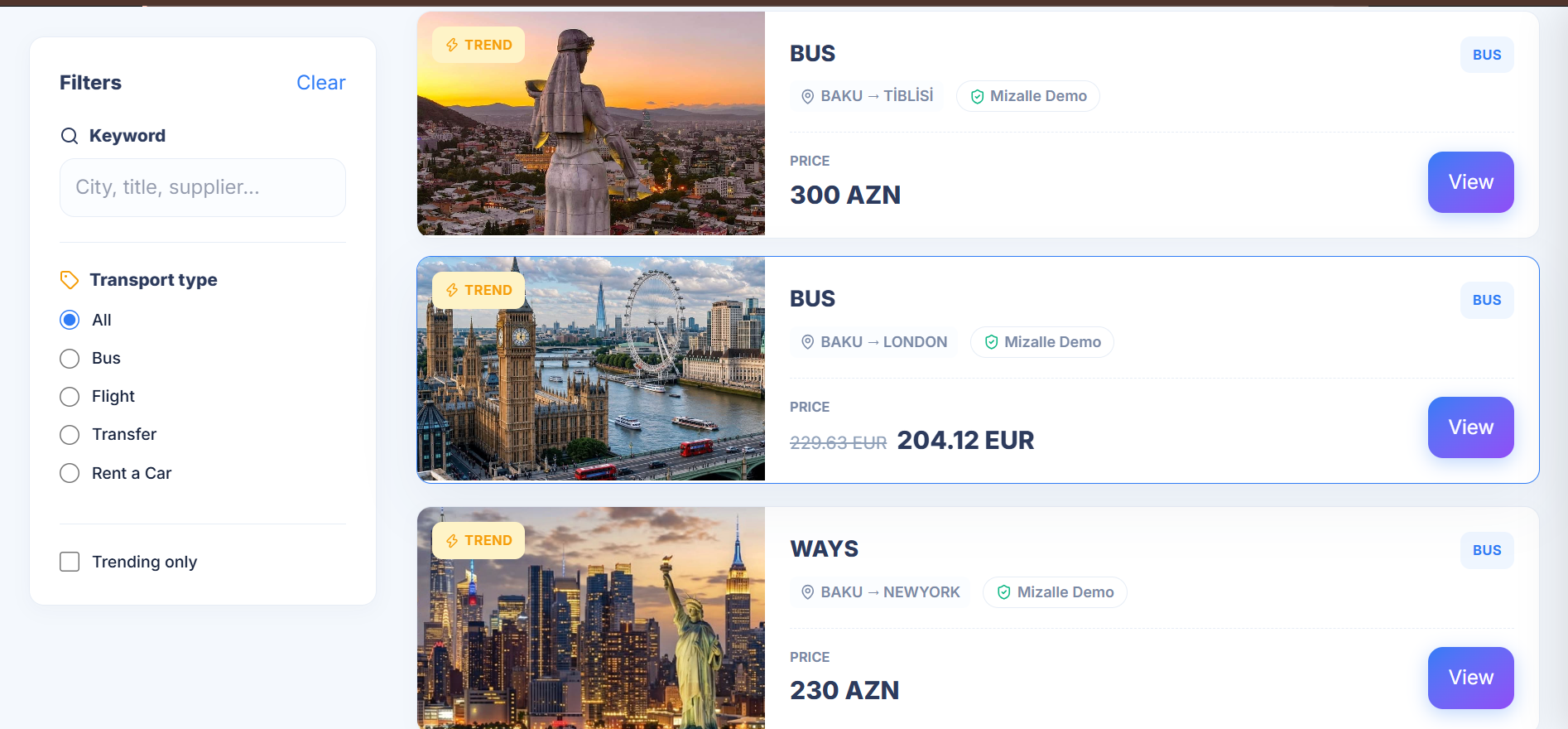
The travel industry depends on strong business relationships, reliable suppliers, and the ability to offer suitable services to customers. For travel agencies, managing these relationships while maintaining efficient daily operations can be challenging. Agencies often need to work with multiple service providers, identify new business opportunities, coordinate bookings, and respond to changing customer demands. As competition increases, having access to a more connected business environment becomes increasingly important.
A B2B marketplace offers travel agencies a structured way to participate in business-to-business transactions and develop relationships within the travel industry. Instead of relying entirely on separate communication channels and disconnected processes, agencies can use digital platforms to support service distribution, cooperation, and business growth.
Travacco addresses these needs by providing a business solution designed specifically for travel agencies. Its B2B Marketplace supports business collaboration and creates opportunities for agencies to offer travel services through a B2B environment. As part of the wider Travacco ecosystem, the marketplace complements the operational tools travel businesses need to manage their activities more efficiently.
Understanding how a B2B marketplace works, what challenges it can address, and how Travacco fits into this process helps agencies evaluate new ways to develop their businesses.
What Is a B2B Marketplace in the Travel Industry?
A B2B marketplace is a digital environment where businesses can connect, access travel-related offerings, and conduct transactions with other businesses. Unlike a business-to-consumer platform, which focuses on selling products directly to individual travelers, a B2B marketplace supports commercial relationships between companies.
In the travel industry, these relationships can involve travel agencies, tour operators, accommodation providers, transportation services, and other travel businesses. The exact services available depend on the marketplace and its participating partners.
For travel agencies, this business model can create additional opportunities to distribute services, cooperate with industry partners, and expand their commercial activities beyond their existing customer base.
For example, an agency that specializes in organizing holiday packages may also want to offer individual travel services through business partners. A B2B marketplace can provide a digital environment to support these commercial connections, depending on the services and transactions available on the platform.
The main value of a B2B marketplace is not simply the presence of digital listings. It is the opportunity to bring business offerings and commercial relationships into a more organized environment, helping travel companies explore new ways to work together.
Why Do Travel Agencies Need a B2B Marketplace?
Traditional B2B cooperation often involves separate conversations, email exchanges, spreadsheets, and individual arrangements with different partners. Although these methods can work, they may become difficult to manage as an agency expands its network and service portfolio.
Travel agencies can encounter several challenges:
Limited access to business opportunities: Agencies may rely heavily on their existing contacts and established suppliers, making it more difficult to discover additional commercial opportunities.
Fragmented communication: Managing business relationships through multiple channels can make it harder to organize information and follow up on ongoing arrangements.
Restricted service distribution: An agency may have valuable travel products but limited ways to introduce those offerings to other businesses.
Operational complexity: As the number of partners, services, and transactions grows, employees need more structured processes to handle the additional workload.
Business growth limitations: Expanding a travel agency requires more than attracting individual customers. Developing B2B relationships can also help businesses reach new markets and establish additional revenue opportunities.
A B2B marketplace can help address these challenges by providing a dedicated digital environment for business collaboration. Rather than treating every business relationship as an isolated arrangement, agencies can use marketplace-based processes to support a more connected approach to commercial activity.
Travacco B2B Marketplace: A Business Solution for Travel Agencies
Travacco is designed around the operational needs of travel agencies. Rather than offering only a standalone marketplace, it provides a broader business solution that brings together different areas of travel agency management.
Within this ecosystem, the Travacco B2B Marketplace supports business-to-business service distribution and commercial cooperation. It gives travel agencies an additional way to participate in the travel services market and develop business relationships through a digital platform.
For agencies looking to expand their activities, this approach is particularly relevant. Business growth often requires the ability to work with other companies, make services available through appropriate channels, and organize commercial operations alongside everyday agency responsibilities.
Travacco positions the B2B Marketplace within a wider operational environment, allowing agencies to consider marketplace activity as part of their broader business processes rather than as an entirely separate undertaking.
This distinction matters because the needs of a travel agency extend beyond the initial sale. Agencies also need to organize customer information, reservations, financial transactions, documents, and communication. A business solution that addresses several of these areas can help create a more structured working environment.
The Travacco ecosystem includes tools such as ERP, CRM, financial and sales operations, website building, and AI analytics. These capabilities serve different operational purposes, while the B2B Marketplace focuses on business-to-business opportunities.
By bringing these capabilities together within one travel-focused solution, Travacco offers agencies a platform designed around the wider requirements of running a travel business.
How Travacco B2B Marketplace Supports Business Opportunities
1. Creating Additional Channels for Travel Service Distribution
Travel agencies do not always need to develop every business opportunity independently. Working with other companies can help them explore additional ways to distribute their services and participate in commercial transactions.
The Travacco B2B Marketplace supports this business-to-business approach by providing a digital environment for travel service distribution. Depending on the available offerings and participating businesses, marketplace activity can help agencies explore opportunities beyond direct sales to individual travelers.
This is particularly useful for agencies seeking to develop B2B sales alongside their existing business model. Instead of focusing exclusively on their own customer base, they can consider how business partnerships may contribute to their wider commercial strategy.
2. Supporting Business-to-Business Cooperation
Cooperation between travel companies can create value for both sides. One business may have a service to distribute, while another may be interested in offering that service to its own customers.
A B2B marketplace provides a framework for this type of commercial interaction. For travel agencies, the opportunity lies in establishing business relationships that complement their existing services and operational capabilities.
Travacco's B2B Marketplace is designed to support this business-oriented environment. It gives agencies a digital channel to participate in B2B activity without treating business collaboration as entirely separate from their broader digital operations.
However, successful cooperation still depends on the commercial arrangements, service conditions, and relationships between the businesses involved.
3. Expanding the Agency's Commercial Approach
A travel agency's growth strategy can include several channels: direct customer sales, corporate clients, partnerships with other agencies, and business-to-business service distribution.
Relying on only one channel may limit the ways an agency can develop its business. Exploring B2B opportunities can help diversify its commercial approach and create additional possibilities for distributing travel products.
Travacco supports agencies in considering B2B activity as part of their overall business model. The marketplace can complement an agency's existing sales activities while the wider Travacco solution supports other areas of its operations.
This allows agency managers to evaluate marketplace participation within a broader business strategy, taking into account their available services, target partners, and commercial objectives.
4. Integrating Marketplace Activity into Wider Operations
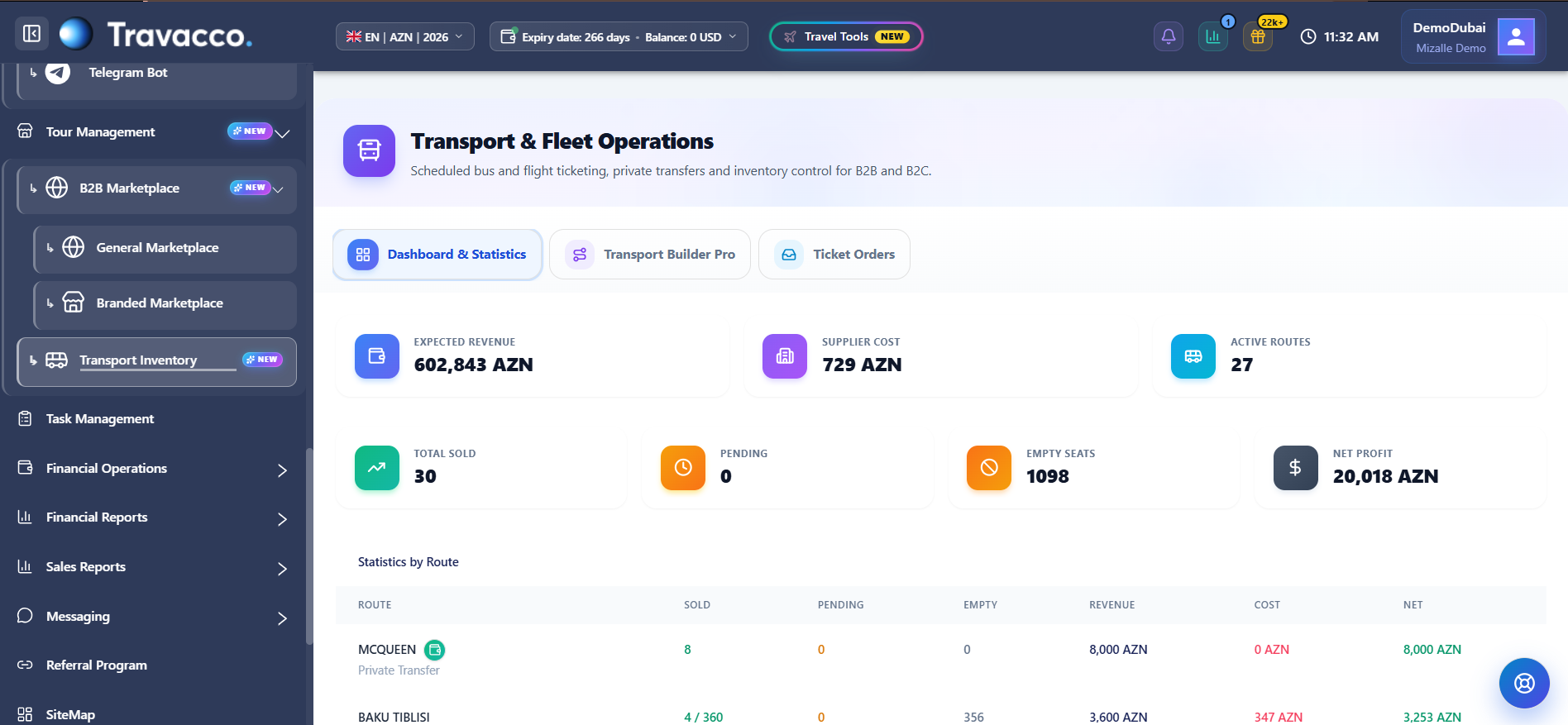
Marketplace participation is only one part of running a travel agency. Once a business develops new commercial relationships, it must also manage the operational responsibilities associated with its activities.
These responsibilities may include customer records, reservations, documents, payments, invoices, and financial reporting. Handling these processes through disconnected tools can create additional administrative work.
Travacco addresses several of these operational requirements through its wider platform. Its CRM supports customer relationship management, while its financial and sales operations tools help agencies organize relevant financial activities. ERP capabilities support broader business processes, and AI analytics provides an additional analytical dimension.
The B2B Marketplace and these other capabilities serve different functions. Together, they form part of a travel-focused business environment in which agencies can address commercial opportunities alongside other operational requirements.
This broader approach is important for businesses that want to grow without overlooking the processes needed to support that growth.
B2B Marketplace vs. Traditional Partner Management
Traditional partner management often relies on individual agreements and communication through email, telephone, messaging applications, and spreadsheets. These methods remain useful, especially when establishing relationships or negotiating specific commercial conditions.
However, as the number of business relationships increases, keeping information organized can become more demanding.
A digital B2B marketplace offers a different approach by providing a dedicated environment for marketplace-related activity. Instead of relying exclusively on separate channels, businesses can use the platform's available capabilities to support their commercial interactions.
The difference can be understood across several areas:
Business opportunities: Traditional partner management depends heavily on existing contacts and independently developed relationships. A marketplace can provide an additional digital channel for exploring business offerings.
Service distribution: Individual arrangements may require separate processes for every relationship. A marketplace can provide a more structured environment for participating in B2B distribution.
Operational organization: Disconnected tools may make it harder to maintain a consistent overview of business activity. A digital platform can help organize the processes it supports.
Scalability: As a travel agency expands, its existing methods may require additional coordination. A structured digital environment can support the agency as its operational needs evolve.
A marketplace does not automatically replace direct communication, contractual agreements, or supplier negotiations. Instead, it can complement these activities by giving businesses another channel through which to organize and develop their commercial relationships.
The Role of Technology in B2B Travel Distribution
Digital transformation in the travel industry involves more than moving existing processes online. It also requires businesses to reconsider how their tools, information, and commercial activities work together.
For travel agencies, a digital marketplace can support business connectivity, while management software can help organize the work that follows a commercial transaction.
This is where Travacco's wider solution becomes relevant.
Its CRM capabilities help agencies manage customer relationships and relevant customer information. Financial and sales operations support the recording and organization of financial activities. The website builder provides tools for establishing a digital presence, while AI analytics adds support for examining business performance.
Each capability addresses a different business need. The B2B Marketplace contributes to the commercial side by supporting business-to-business opportunities, while the other modules address different operational requirements.
For agency managers, the benefit of evaluating these functions within one travel-focused platform is the ability to consider the business as a whole. Commercial development, customer management, financial organization, and digital presence are interconnected parts of operating a travel agency.
Technology can support these processes, but results still depend on how effectively an agency implements its tools, manages its relationships, and develops its business strategy.
Who Can Benefit from a B2B Marketplace?
A B2B marketplace may be relevant to travel businesses with different commercial objectives.
Independent travel agencies can explore additional business channels and consider partnerships that complement their existing services.
Growing travel businesses can evaluate how B2B distribution fits into their expansion plans and whether their current operational processes can support increased activity.
Tour operators may find B2B channels useful for developing relationships with agencies and exploring additional distribution opportunities, depending on the marketplace's supported services.
Agencies with established partner networks can consider digital marketplace participation as a complement to their existing commercial relationships.
Businesses diversifying their service portfolios can explore how cooperation with other travel companies may contribute to their offering.
Travacco's B2B Marketplace is relevant to agencies interested in digital B2B activity, while the wider Travacco platform addresses additional business management requirements. The suitability of any marketplace depends on the agency's goals and the specific services and commercial arrangements available to it.
What Should Travel Agencies Consider Before Using a B2B Marketplace?
Choosing a B2B marketplace requires more than comparing platform features. Agencies should evaluate how the platform fits their actual business requirements.
First, they should identify the services and commercial opportunities they want to access or distribute. A marketplace is most relevant when its available offerings align with the agency's business model.
Second, agencies should understand the participation requirements, transaction processes, pricing arrangements, and contractual responsibilities associated with the services they intend to use.
Third, they should consider how marketplace activity fits into their existing operations. Customer management, accounting, documentation, and internal workflows all influence how efficiently a business can handle additional transactions.
Finally, agencies should evaluate whether the technology can support their longer-term objectives. The right solution should address current requirements while fitting into the business's plans for future development.
Travacco provides a travel-focused digital environment that includes its B2B Marketplace alongside other business management capabilities. Agencies can evaluate these functions according to their operational priorities and the opportunities relevant to their business.
Develop Your Travel Business with Travacco
The travel industry relies on relationships between businesses as much as it relies on relationships with travelers. For travel agencies seeking new commercial opportunities, a B2B marketplace can provide an additional channel for service distribution, cooperation, and business development.
However, marketplace participation is only one part of building a sustainable travel business. Agencies must also manage customer relationships, financial activities, documents, sales processes, and the operational responsibilities that accompany growth.
Travacco brings these needs into a broader travel agency business solution. Its B2B Marketplace supports business-to-business opportunities, while its ERP, CRM, financial and sales operations, website builder, and AI analytics address other areas of agency management.
For travel businesses looking to develop their digital operations and explore B2B distribution, Travacco offers a platform built around the specific needs of the travel industry.
Discover how Travacco can support your travel agency's business operations and B2B opportunities.
Visit www.travacco.com to learn more about the platform and explore the available business solutions.